WOMEN IN ANIMATION PGM 1: ANIMATED ANIMALS
Ten shorts spotlighting women in animation, from a silent flower-fairy film to Mary Ellen Bute and Sally Cruikshank, many from 35mm and 16mm. Mindy Johnson and Rachael Guma introduce.
Ten shorts spotlighting women in animation, from a silent flower-fairy film to Mary Ellen Bute and Sally Cruikshank, many from 35mm and 16mm. Mindy Johnson and Rachael Guma introduce.
A set of short 16mm films from the 1970s on gay liberation, from a parade documentary to loose, unstructured conversations among gay men and lesbians, plus Jan Oxenberg's comedy.
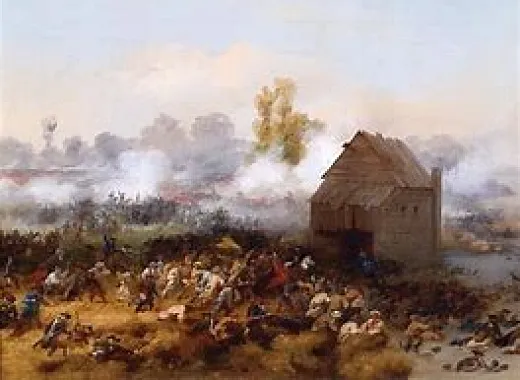
A guided tour of an exhibition on the first and largest battle of the American Revolution, told through primary sources and led at the Center for Brooklyn History.
Chenae Bullock, a member of the Shinnecock Nation, leads a walk through the Native Flora Garden, with plants explained through Indigenous traditional ecological knowledge. A small, specific tour.
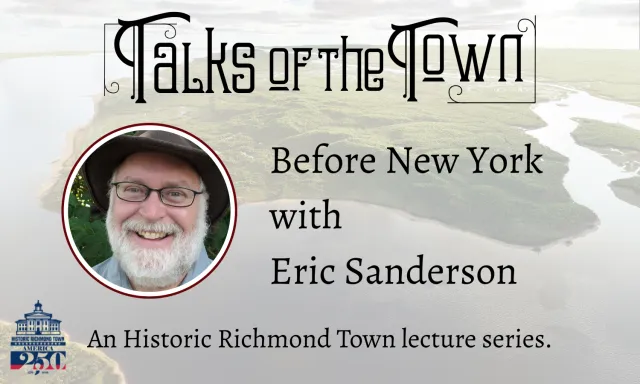
Landscape ecologist Dr. Eric Sanderson gives a public lecture on historical ecology, looking at what the land was like before the city. It's held in a historic house.
Six short films from the 1970s feminist moment, from playful sendups of gender roles to Self-Health and an early Penelope Spheeris short, about 90 minutes in all.
Three experimental Coni Beeson films for the National Sex Forum, layered in double exposure and pastoral imagery, framed by Rodriguez-Soltero's JEROVI and Chick Strand's FEVER DREAM, all on 16mm.
Dr. Eric W. Sanderson reconstructs the original forests, wetlands, and waterways of the place and ties them to today's flooding, climate resilience, and environmental justice.
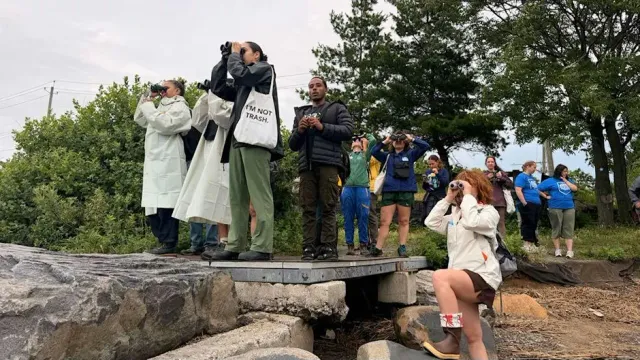
Haley Scott and Tecumseh Ceaser of the Metoac Indigenous Collective lead a walk pointing out native birds and plants, and the Indigenous history and cultural meaning tied to them.
A lecture on the molten-metal side of a city known for painting: furnaces, bells, and monuments, with Donatello, Vecchietta, and Francesco di Giorgio among the makers.
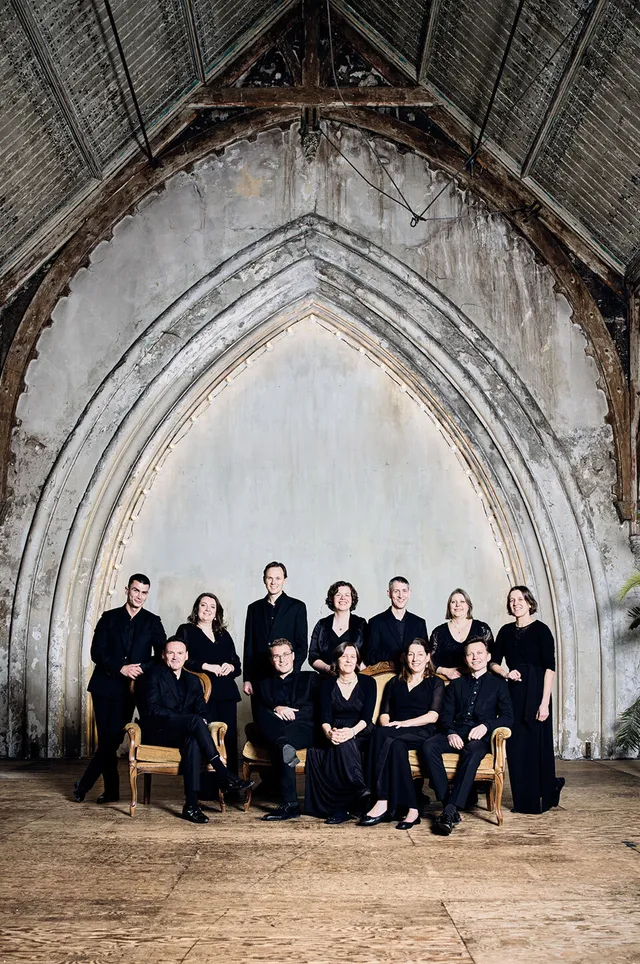
A vocal ensemble offers vivid snapshots of Renaissance city life through its music, politics, and culture, plus a new work Christopher Cerrone wrote just for this concert.
Four 16mm shorts from the 1970s that speak frankly about sex and disability, two of them directed by Laird Sutton. It's a subject rarely tackled in erotic or educational film.
Eisenstein's silent landmark has no hero, only the masses, and builds its power from montage and parallel action. Shown at Anthology as part of its Essential Cinema program.
A day-long gathering with VisionIntoArt that mixes performance, creative workshops, and community conversations on cultural memory, Gullah Geechee heritage, and intergenerational storytelling.
Collections manager Audrey Malachowsky explains how art and history objects are cared for and prepared for display, then Jean Marques leads a tour of the museum's newest exhibition.
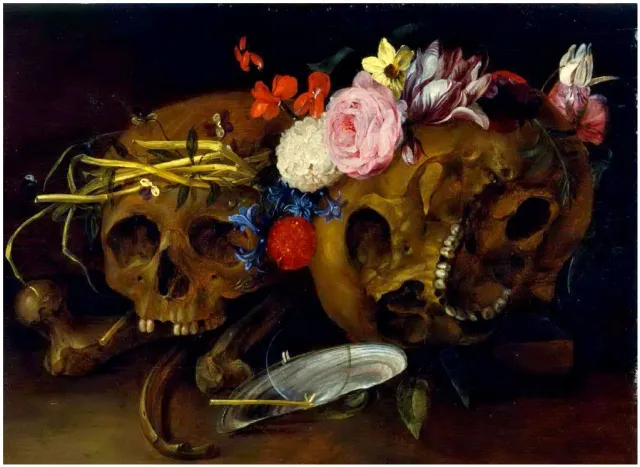
Cemetery scholar Allison C. Meier decodes the hidden messages of love, mortality, and remembrance in mourning flowers, with memorial hairwork installed in the space alongside.
Eisenstein's silent film staged as a cosmic newsreel and film poem, which J. Hoberman calls the Soviet equivalent of the Sistine Chapel. A chance to see it on a big screen.
Eisenstein's silent feature, also known as The General Line, where he refined "mise-en-cadre" and "overtonal montage" to push silent film to its peak. A chance to see his theories on a big screen.
Early-music ensemble Ruckus sings fervent New England hymns of grief, mortality, and civic conscience, homegrown counterpoint by composers like William Billings and Daniel Read.
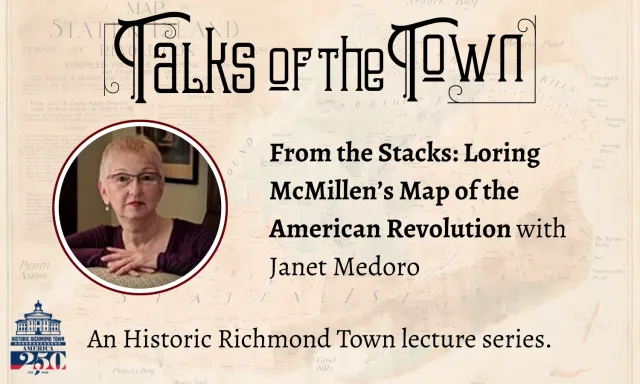
Staten Islander Janet Medoro walks through the hand-drawn Revolutionary War map made by Historic Richmond Town's founder, Loring McMillen, a close look at the island's 18th century past.