Freedom to Read: The Fight Against Banned Books in WWII
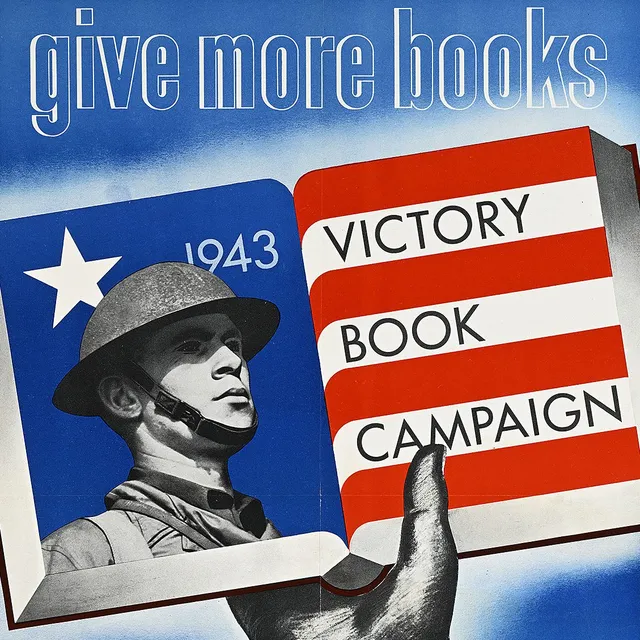
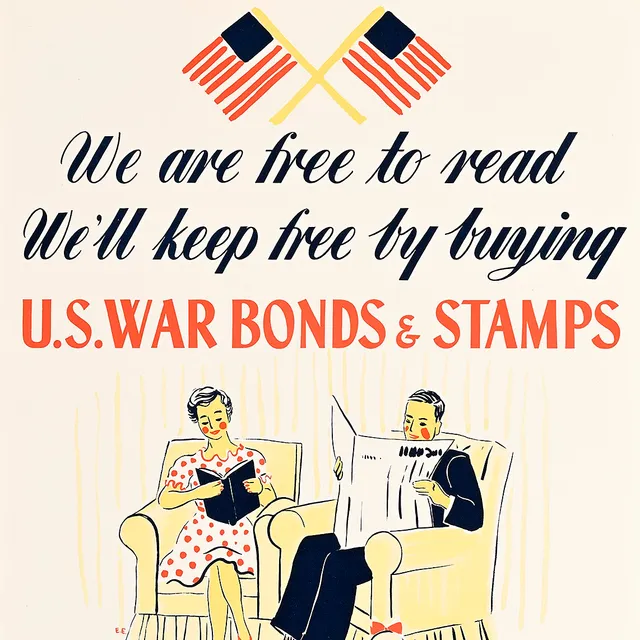
An hour on how books became weapons in World War II, as the German government set out to ban and burn any title that threatened Nazi ideology, and how others pushed back.
An hour on how books became weapons in World War II, as the German government set out to ban and burn any title that threatened Nazi ideology, and how others pushed back.
A guided walk through the institute's current exhibition on magic and curses in the ancient world, led in the gallery itself. An hour with the objects and someone who can explain them.
A themed trolley tour of true crime and disaster stories, from a mentalist allegedly killed by autopsy to mob boss Albert Anastasia and the Hall-Mills murders.
Kodai Speich, Lish Lindsey and Nina Fukuoka play hichiriki, ryūteki and shō, unpacking Gagaku, the "elegant music" tradition that shapes the sound of Allegra, with live repertory.
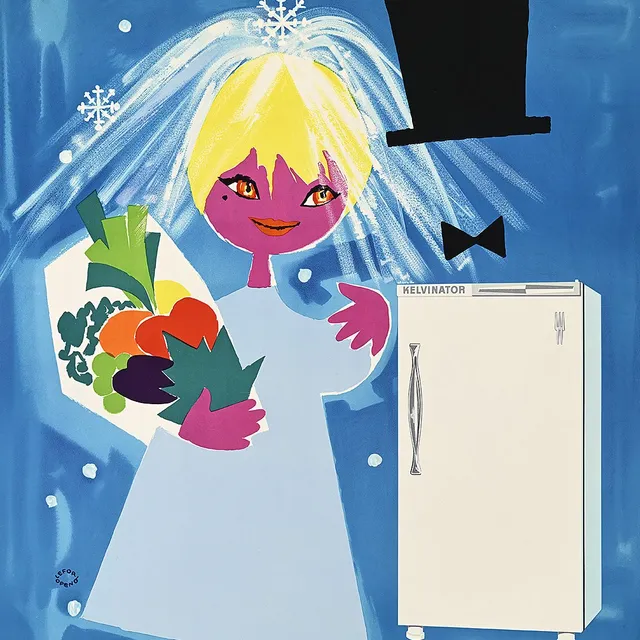
A hybrid session on empire, consumer culture, and everyday life in postwar France, tied to a poster exhibition. The artwork pairs a cartoon bride with a refrigerator and a top hat.
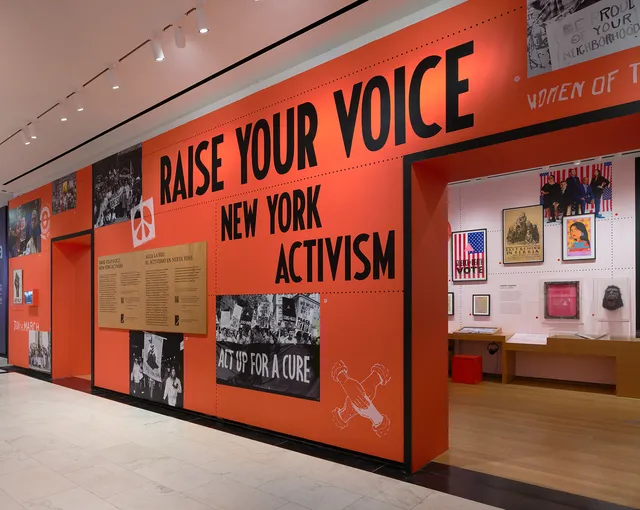
A casual guided walk through the exhibition with the education team, unpacking the historical context and the design techniques behind the posters on the wall.
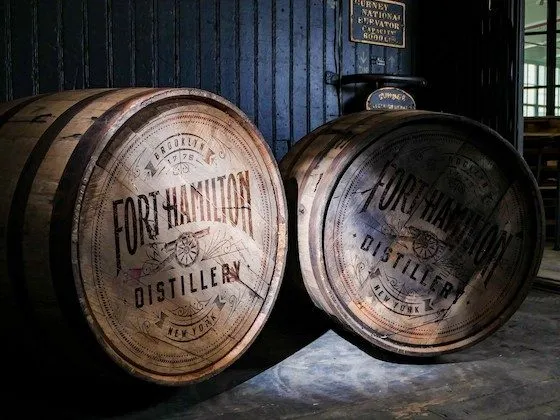
A trolley tour of the cemetery's Revolutionary War figures and early distillers, then on to a whiskey tasting: rye straight off the still, a pour from the barrel, and barrel-aged maple syrup.
Curator Sarah Seidman leads a one-hour walk through the show, focused on Latinx food workers and activism, with professor Alexandra Délano Alonso and artist Marco Saavedra of La Morada.
A talk on how to tell the stories of communities erased from a city's physical landscape, and the part historians, artists, and community members play in recovering and reimagining Filipino Brooklyn.
A morning in a Gilded Age mansion full of Vermeer, Rembrandt, Fragonard and Turner, with the gallery talk A Home for Art on how the house became a museum.
A conversation with David Oshinsky, Frances Bernstein, Perri Klass, and Trace Jordan on the two kinds of polio vaccine developed in the 1950s, one made with killed virus.
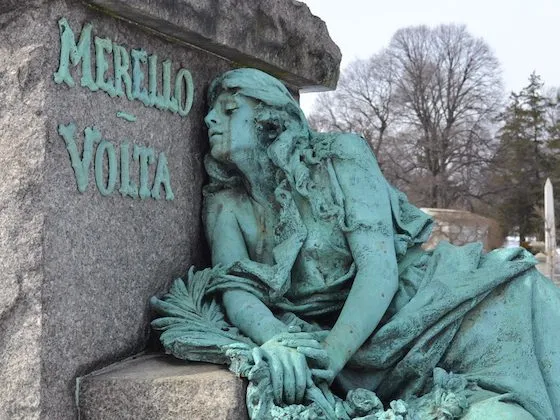
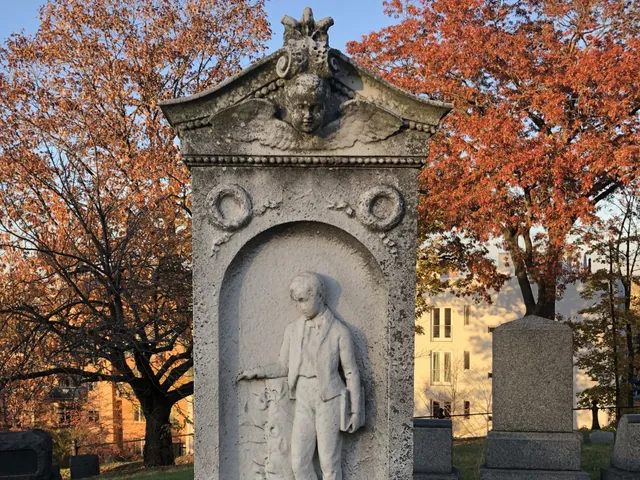
A walking tour through Green-Wood that teaches you to read Victorian grave symbols: the carved flowers, weathered angels, and odd emblems, and the stories they were meant to carry.
Chris Kelley and Stuart Post hosted a wildly popular transit trivia night for 8 years. After a hiatus, they're back above ground with a brand-new quiz.
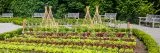
American history told through food plants: historic botanical illustrations, planting ledgers and cookbooks inside, then outdoor beds tracing Indigenous foodscapes through the Great Migration.
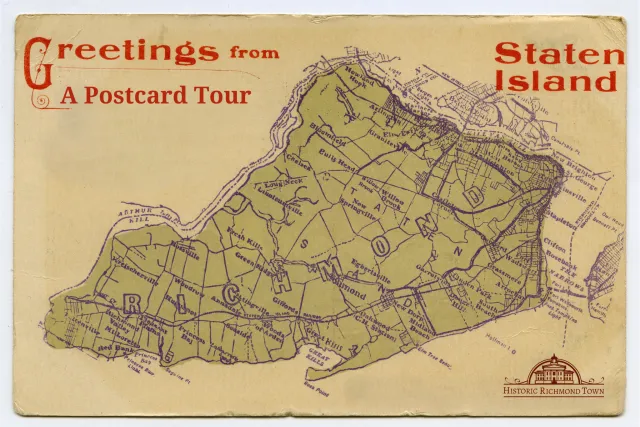
Vintage postcards from the newly acquired William McMillen Collection set early 20th-century views beside today's, tracing the area's past as an industrial hub and summer destination.
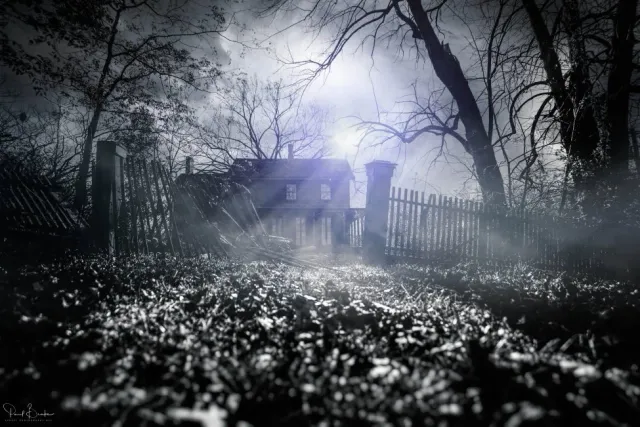
Historical interpreters lead you through old houses by candlelight, telling folklore and the true stories of local lives and deaths, including the infamous accused who stood trial.
Early-music ensemble Ruckus sings fervent New England hymns of grief, mortality, and civic conscience, homegrown counterpoint by composers like William Billings and Daniel Read.
Prof. Jeb Card traces how paranormal and conspiracy myth-makers borrow from ancient archaeology, from intelligent plasma jinn to star-sent Anunnaki and secret missions to seize a stargate.
Heka, the force usually translated as "magic," was woven into creation itself for the ancient Egyptians. The talk draws on texts and objects from the exhibition Cursed.
Jasper Snow leads from the vielle through rare surviving polyphony, some of it recovered from reused parchment, with works by Johannes Ciconia and Zacara da Teramo.